
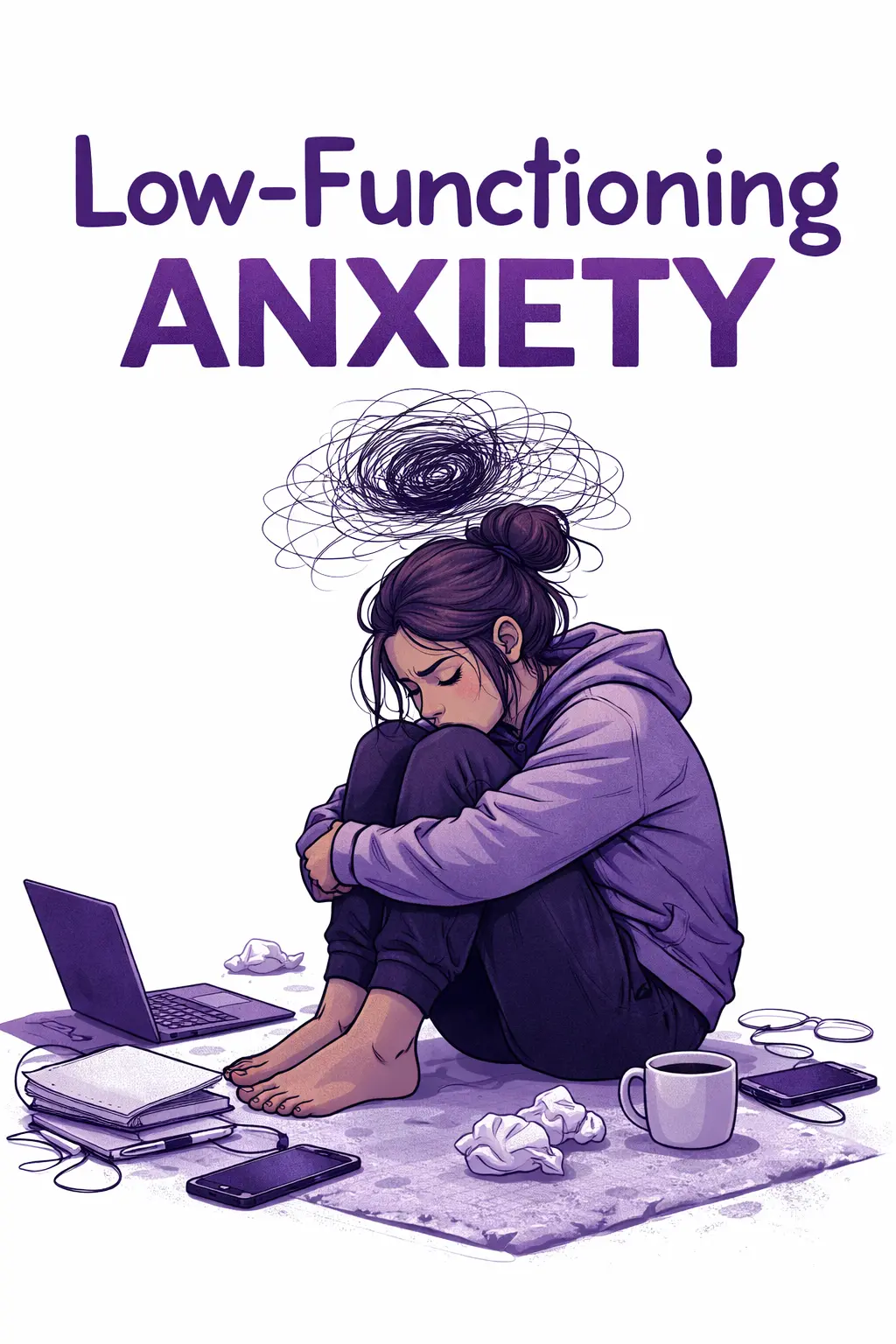
Emotional distress refers to a state of intense emotional suffering that affects a person’s thoughts, feelings, and overall well-being. It can make someone feel overwhelmed, sad, anxious, angry, or mentally exhausted. Emotional distress is not a disease itself but a psychological response to difficult situations, traumatic events, or long-term stress.
Everyone experiences emotional distress at some point in life. It may occur due to relationship problems, financial worries, work pressure, health issues, or sudden life changes. In psychology, emotional distress is considered a natural reaction to emotional pain, but when it becomes severe or long-lasting, it can interfere with daily functioning.
What is Emotional Distress?
Emotional distress is a state where a person experiences intense psychological discomfort that affects their mood, thoughts, and behavior. It is usually triggered by stressful events, unresolved emotions, or overwhelming life circumstances.
People experiencing emotional distress may feel:
- Low energy
- Difficulty coping
- Trouble thinking clearly
- Physical symptoms caused by stress
- Emotional instability
In simple words, emotional distress happens when the mind becomes overloaded by emotions that are too heavy to manage.
Types of Emotional Distress
It may appear in many forms, depending on the trigger, intensity, and duration. Here are the most common types:
1. Anxiety-Related
This involves constant worry, fear, or tension. The person feels emotionally pressured and mentally restless.
Common signs:
- Racing thoughts
- Constant fear of something going wrong
- Difficulty relaxing
- Irritability
2. Depression-Related
This type includes deep sadness, hopelessness, and emotional heaviness that lasts longer than usual.
It may include:
- Loss of interest in activities
- Feeling empty
- Low motivation
- Persistent negative thoughts
3. Trauma-Induced
This occurs after witnessing or experiencing a traumatic event such as:
- Accidents
- Abuse
- Loss of a loved one
- Violence
The distress may appear immediately or months later.
4. Stress-Induced
Workload, exams, deadlines, financial strain, and daily pressure can cause intense emotional distress. This type is usually linked with physical symptoms like headaches or fatigue.
5. Grief-Related
Losing someone close is one of the strongest triggers of emotional distress. Grief leads to emotional pain, loneliness, and feelings of emptiness.
6. Relationship-Related
Breakups, conflicts, betrayal, and toxic relationships can deeply affect emotional stability.
The person may feel:
- Heartbroken
- Confused
- Rejected
- Hurt or deeply disappointed
7. Anger-Related
Some individuals experience distress through anger that feels uncontrollable or explosive. Underlying emotions like hurt or frustration may be expressed as anger.
8. Identity and Self-Esteem
This type occurs when someone struggles with:
- Self-worth
- Purpose
- Overthinking
- Comparing themselves to others
It is common among teenagers and young adults but can occur at any age.
Symptoms
Symptoms can be emotional, physical, cognitive, and behavioral. They may appear suddenly or develop slowly over time.
1. Emotional Symptoms
These include changes in feelings and mood:
- Sadness or hopelessness
- Anxiety or fear
- Mood swings
- Anger or irritability
- Feeling overwhelmed
- Emotional numbness
- Restlessness
2. Cognitive (Thinking) Symptoms
It affects how a person thinks and processes information:
- Difficulty concentrating
- Memory problems
- Negative thinking
- Constant worry
- Overthinking
- Difficulty making decisions
3. Behavioral Symptoms
It can changes how a person behaves:
- Social withdrawal
- Avoiding responsibilities
- Crying frequently
- Sudden outbursts
- Loss of motivation
- Changes in eating or sleeping habits
4. Physical Symptoms
Though emotional, distress often shows up physically:
- Headaches
- Fatigue
- Muscle tension
- Chest tightness
- Nausea
- Heart palpitations
- Body aches
These physical symptoms happen because it activates the body’s stress response.
Causes
Emotional distress can be caused by many different factors. Sometimes it is a single event, and other times it is a buildup of stressful experiences.
Here are the most common causes:
1. Life Stressors
Daily challenges that overwhelm a person can cause emotional distress, such as:
- Job pressure
- Academic stress
- Financial problems
- Relationship struggles
- Parenting challenges
Even positive changes, like moving or starting a new job, can trigger stress.
2. Trauma or Loss
Experiencing trauma or losing someone important can lead to long-term emotional distress. It affects emotional stability and can trigger feelings of shock and sadness.
3. Health Issues
Chronic illness, injuries, hormonal changes, or long-term pain can affect mental well-being and cause emotional strain.
4. Family Problems
Growing up in a conflict-filled or emotionally unstable home environment increases emotional distress, even in adulthood.
5. Personality and Temperament
People who are highly sensitive, perfectionistic, or emotionally reactive are more likely to feel distress.
6. Social Isolation
Lack of emotional support or loneliness can quickly escalate into emotional distress because humans naturally need connection.
7. Unresolved Emotions
Bottling up feelings like anger, sadness, disappointment, or guilt can eventually lead to emotional breakdown.
8. Work Environment
Harsh management, heavy workload, workplace politics, or job insecurity are major emotional stress triggers.
Risk Factors
Certain factors increase the chances of experiencing :
- Lack of supportive relationships
- Low self-esteem
- History of trauma
- High-pressure lifestyle
- Financial difficulty
- Chronic health issues
- Highly sensitive personality
- Substance use
- Poor coping skills
People facing multiple stressors at once are more likely to face.
Short-Term Effects of Emotional Distress
In the short term, emotional distress affects daily functioning. Common short-term effects include:
- Difficulty focusing
- Conflicts with others
- Low productivity
- Emotional exhaustion
- Trouble sleeping
- Sudden mood swings
If untreated, short-term distress can develop into more serious problems.
Long-Term Effects of Emotional Distress
Long-term or chronic emotional distress can lead to:
- Depression
- Anxiety disorders
- Burnout
- Chronic fatigue
- Weakened immune system
- Digestive issues
- Sleep disorders
- Relationship breakdown
Emotional distress should never be ignored, especially when it lasts for months.
Diagnosis of Emotional Distress
Mental health professionals diagnose emotional distress through:
- Psychological evaluation
- Understanding personal history
- Identifying emotional triggers
- Assessing behavior and daily impact
- Exploring stress levels
Diagnosis helps determine what treatment is needed.
Treatment of Emotional Distress
The treatment for emotional distress focuses on emotional regulation, stress reduction, and developing healthier coping skills. Below are the most effective treatment strategies.
1. Psychotherapy (Talk Therapy)
Therapy is one of the best treatments for emotional distress. A therapist helps individuals:
- Understand their emotions
- Explore unresolved issues
- Develop coping skills
- Reduce stress
- Build emotional strength
Therapy provides a safe space to express difficult feelings without judgment.
2. Cognitive Behavioral Therapy (CBT)
CBT helps change negative thinking patterns that contribute to emotional distress. It focuses on:
- Identifying harmful thoughts
- Challenging negative beliefs
- Creating positive coping strategies
CBT reduces anxiety, overthinking, and emotional pressure.
3. Stress Management Techniques
Stress reduction plays a major role in treating emotional distress. Helpful techniques include:
- Deep breathing
- Meditation
- Yoga
- Nature walks
- Progressive muscle relaxation
- Time management
These techniques help calm the mind and reduce emotional overwhelm.
4. Emotional Regulation Training
Learning to manage emotions prevents distress from growing into a mental health crisis.
Skills include:
- Naming emotions instead of suppressing them
- Using grounding techniques
- Practicing mindfulness
- Avoiding emotional triggers
Emotional regulation helps individuals maintain stability and balance.
5. Healthy Lifestyle Changes
Physical health affects emotional well-being. Improving lifestyle habits can significantly reduce emotional distress.
Recommended changes:
- Regular exercise
- Healthy diet
- Adequate sleep
- Reduced caffeine
- Avoiding alcohol or drugs
These habits strengthen mental resilience.
6. Building a Support System
Talking to trusted people can greatly reduce emotional burden. Support can come from:
- Family
- Friends
- Mentors
- Support groups
Healthy communication prevents emotional buildup.
7. Journaling and Emotional Expression
Writing down emotions helps:
- Release emotional pressure
- Understand personal triggers
- Organize thoughts
- Reduce overthinking
Journaling is a simple but powerful tool.
8. Mindfulness and Relaxation
Mindfulness helps individuals stay in the present moment instead of drowning in negative thoughts.
Practices include:
- Meditation
- Mindful breathing
- Body scans
- Gratitude exercises
These techniques calm the mind and reduce emotional intensity.
9. Professional Support (if severe)
In severe emotional distress, especially when paired with strong anxiety or depression, professional intervention becomes necessary. Therapists, psychologists, and psychiatrists provide specialized care that can prevent long-term complications.
Self-Help Strategies for Emotional Distress
Alongside therapy, self-help strategies can ease emotional distress.
1. Take Breaks
Take a pause during stressful situations to avoid emotional overload.
2. Set Boundaries
Learn to say no to protect your mental space.
3. Engage in Hobbies
Creative activities help shift attention away from distress.
4. Practice Self-Compassion
Be kind to yourself during difficult times.
5. Reduce Exposure to Stressors
Limit triggers such as toxic people or overwhelming tasks.
When to Seek Professional Help
Seek help when emotional distress:
- Lasts more than a few weeks
- Affects daily functioning
- Causes physical symptoms
- Leads to emotional breakdowns
- Impacts work or relationships
- Creates feelings of hopelessness
Getting help early prevents long-term suffering.
Conclusion
Emotional distress is a powerful emotional response that affects how a person thinks, feels, and behaves. While it is a normal human experience, long-term or intense emotional distress can interfere with daily life and mental health. By understanding the types, symptoms, causes, and treatment options of emotional distress, individuals can recognize it early and seek the right support.
Effective treatment includes therapy, stress management, emotional regulation, lifestyle changes, and strong support systems. With proper care, people can overcome this and regain emotional balance, strength, and inner peace.


Your article helped me a lot, is there any more related content? Thanks!
Thanks for sharing. I read many of your blog posts, cool, your blog is very good.
Can you be more specific about the content of your article? After reading it, I still have some doubts. Hope you can help me.
I don’t think the title of your article matches the content lol. Just kidding, mainly because I had some doubts after reading the article.
Your point of view caught my eye and was very interesting. Thanks. I have a question for you.
Can you be more specific about the content of your article? After reading it, I still have some doubts. Hope you can help me.
Can you be more specific about the content of your article? After reading it, I still have some doubts. Hope you can help me.
Can you be more specific about the content of your article? After reading it, I still have some doubts. Hope you can help me.